

 14. Juli 2026
 Five Situations Where High-Tech Companies Benefit from External Production Support

In high-mix, low-volume markets, moving from development to production often raises questions that cannot be solved by capacity alone.
A company may have a strong product concept, proven technology, and clear customer demand, while the required production setup may still be difficult to integrate into existing structures. Photonic systems, optomechanical assemblies, thermal management solutions, electronics, laser modules, and integrated subsystems are just a few examples.
These products often require specialized expertise, precise documentation, controlled processes, flexible capacity, and close coordination between engineering and production. However, the required volumes may not justify building new internal facilities or investing in equipment that is only needed for specific projects. Recruiting and training new production teams takes time, particularly when the required know-how involves optical alignment, thermal testing, electronics integration, documentation, and quality control.
In these situations, external production support can become a good option. The motivation usually goes well beyond cost savings and includes technical feasibility, available capacity, time-to-market, risk management, and the question of where internal resources create the most value.
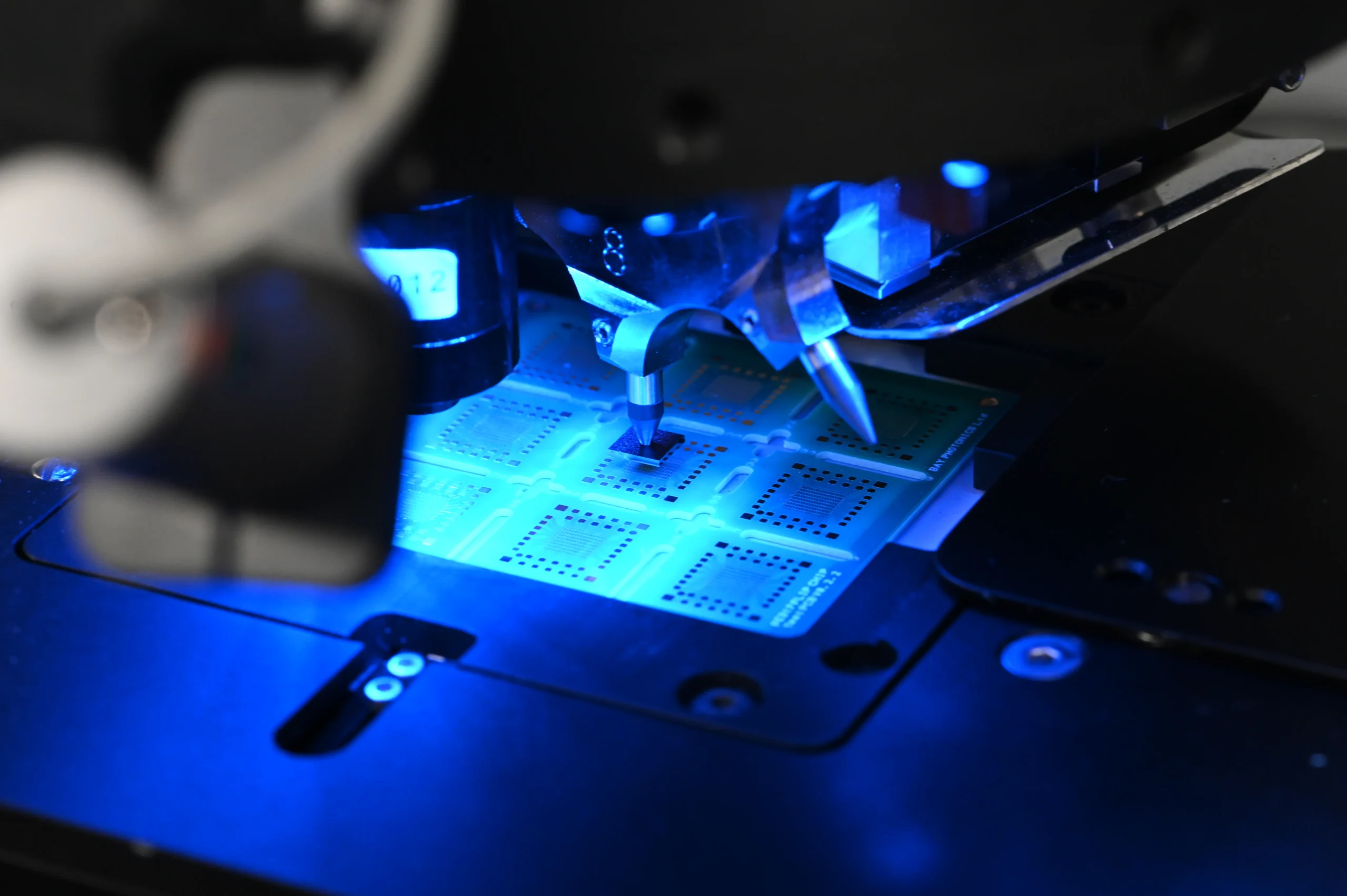
FIVE TYPICAL SCENARIOS FOR PRODUCTION SUBCONTRACTING
#1 Complete subsystem responsibility
In some projects, the customer defines the technical requirements, while the detailed development, industrialization, and production of a subsystem are handled externally.
This can apply to a laser subsystem, a cooling unit, an optomechanical assembly, a photonics package, or an integrated module combining optics, electronics, and thermal management. The subsystem may be critical to the overall product, but still be outside the customer’s own core production setup.
In this situation, a production partner can take responsibility for a defined part of the overall system. This reduces the number of technical interfaces for the customer and helps move the project from specification to production-ready solution.
The customer can stay focused on the final product, system architecture, application, and market access, while the production partner supports the engineering and production work behind the subsystem.

#2 A new product does not fit the existing production setup
A company may have well-established internal production lines for its core products, while a new product or subsystem requires a production process that is not covered by the existing setup.
This can be the case when a specific capability is missing, such as optical alignment, cleanroom assembly, thermal testing, brazing, helium leak detection, electronics integration, calibration, or dedicated documentation and test procedures. It can also be the case when several capabilities need to be combined in a way that does not match the existing production flow.
Building up these capabilities internally can be inefficient if they are only needed for selected projects or low-volume series. It can also place additional pressure on production workflows that were designed for different products, volumes, or processes.
In these cases, a specialized production partner can take over the production of the product or subsystem in a setup built around its specific requirements. This allows companies to introduce new technologies without forcing them into internal production structures that do not fit the task.
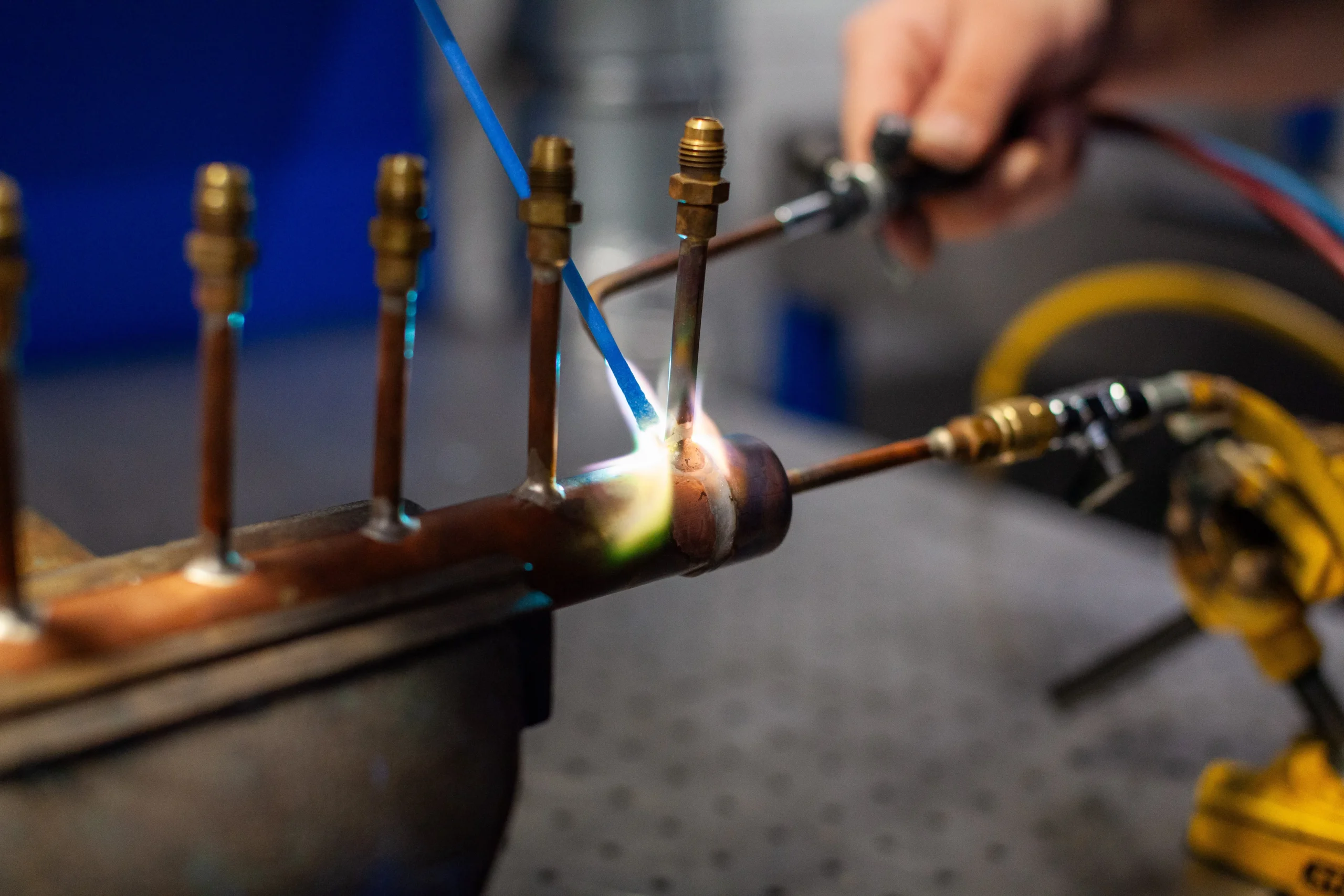
#3 Capacity extension without new infrastructure
In some situations, the customer already has the technical expertise and production process in place, while internal capacity has reached its practical limit.
Demand may increase faster than expected. A project may move from prototype to production more quickly than planned. A customer order may require additional production capacity before the company is ready to expand internally. In these cases, the challenge is often time-to-market: the product is needed now, while a permanent expansion of internal capacity would take too long or may not be justified.
This is especially relevant when the additional demand is expected to be temporary, project-based, or difficult to forecast. Building a larger internal setup for a limited production peak can create fixed structures that may no longer be needed once the project is completed or demand returns to normal.
External production support can help bridge this gap and quickly provide additional capacity when it is needed, without requiring long-term investment.
For many companies, this is a flexible way to grow, meet delivery timelines, and keep internal resources focused on their core business.
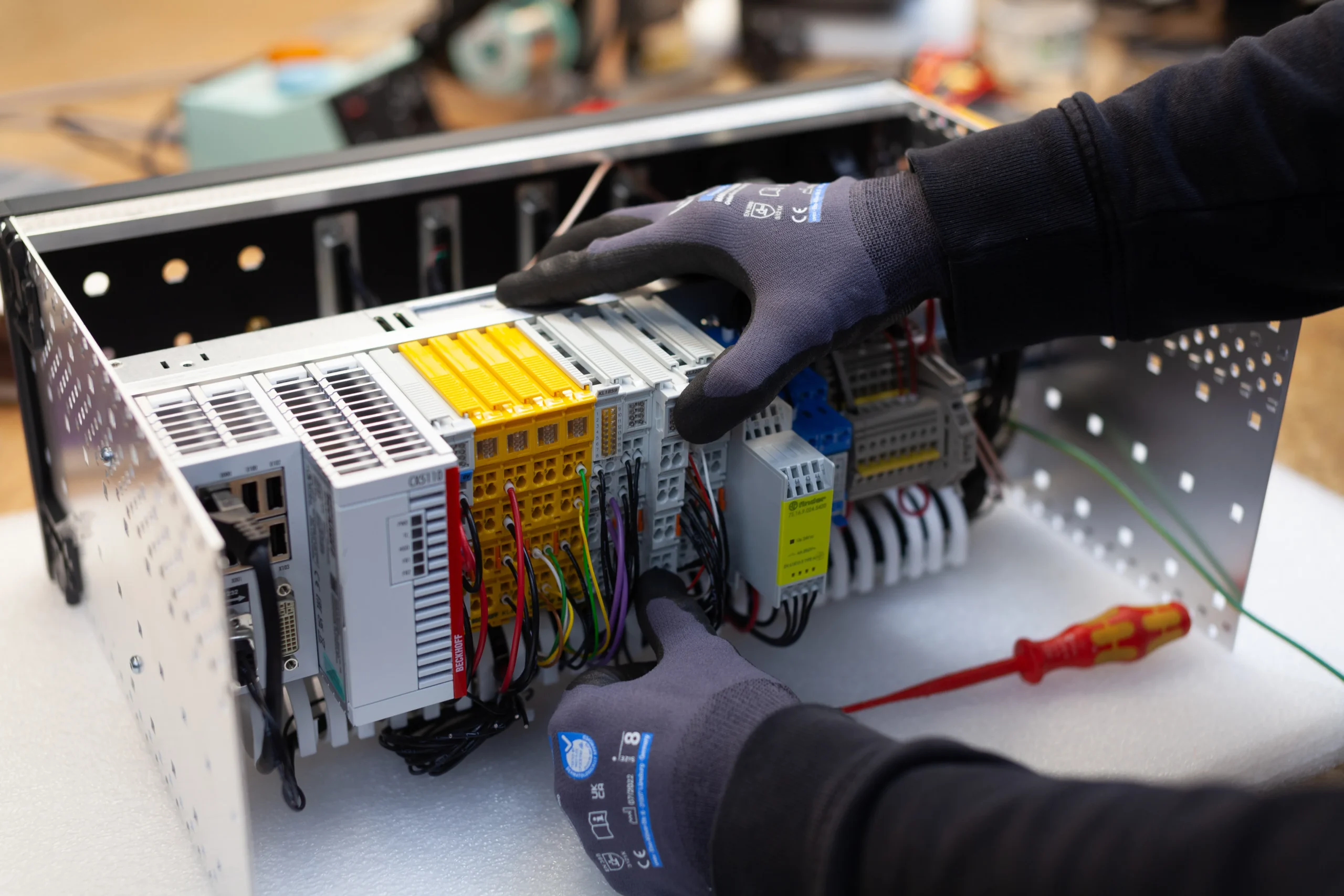
#4 Freeing internal resources for new products while keeping established ones in production
Some products remain important even after the main development focus has shifted to newer product generations.
They may still need to be produced or supplied, even if volumes are lower than before or several variants remain in circulation. In some cases, this also includes replacement modules, spare parts, or assemblies needed to support installed systems in the field.
At the same time, engineering and production teams are often needed for newer projects. This can create a resource conflict, especially when an established product is still important to the business but no longer central to current development plans.
In this situation, external production support can help maintain continuity. A production partner can support selected assemblies or subsystems, allowing companies to keep supplying established products while freeing internal teams for future development.
This helps companies manage product lifecycles in a controlled way, without tying up internal resources unnecessarily.
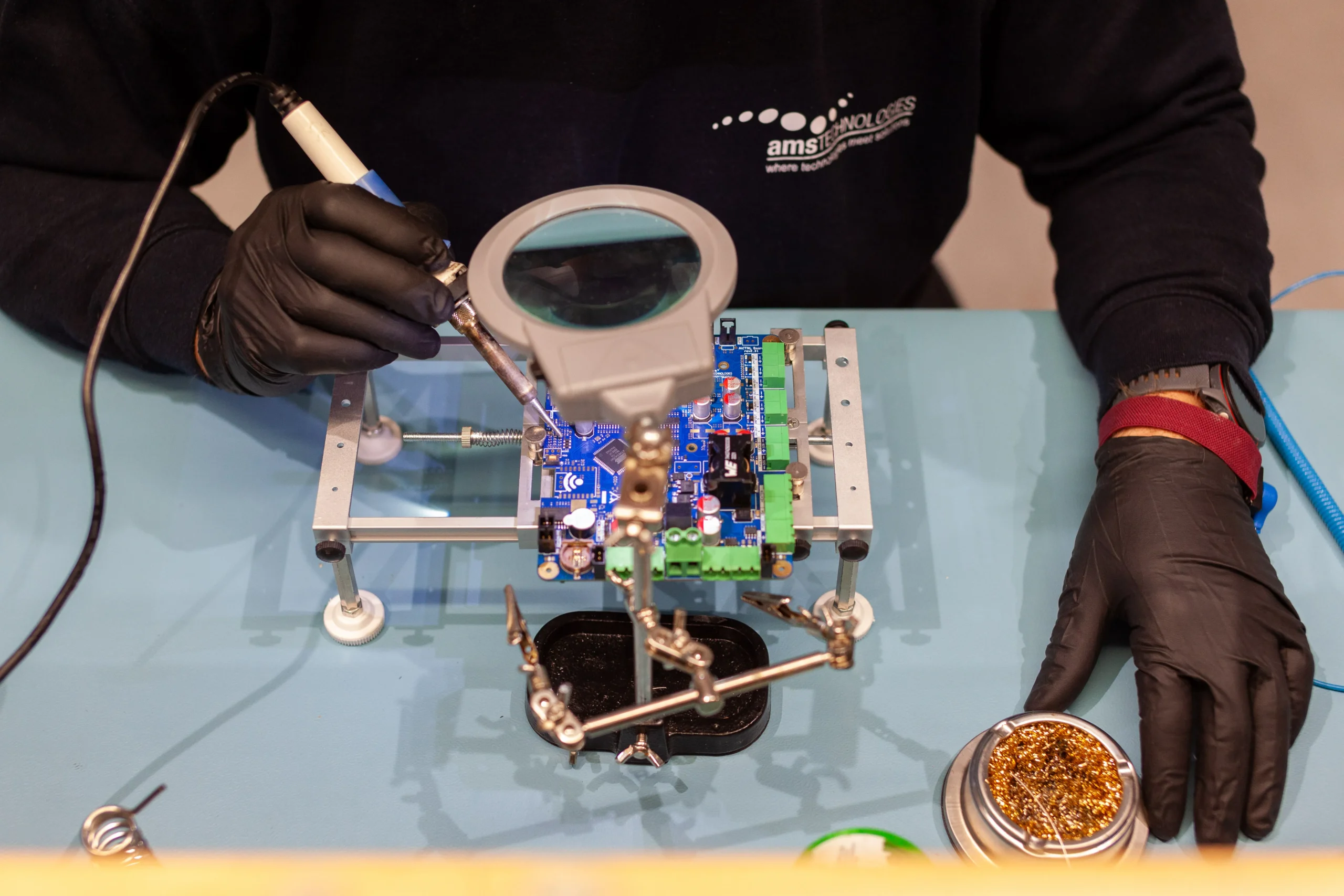
#5 Peak shaving in project-driven markets
Demand in high-mix, low-volume markets is often uneven.
A customer may receive a larger order than expected, face a temporary production bottleneck, or need to meet a project deadline without permanently increasing internal capacity. These situations are common in project-driven markets, where order intake, delivery schedules, and customer requirements can change quickly.
Covering temporary peaks internally often means adding shifts, reallocating people, or increasing coordination effort in production. This can be difficult when the process is technically demanding and depends on experienced staff, controlled workflows, and reliable testing.
External production support can help absorb peaks without forcing the customer to redesign its own production setup. This gives companies additional flexibility when demand exceeds their internal capacity, but keeps their own structures focused on regular operations.
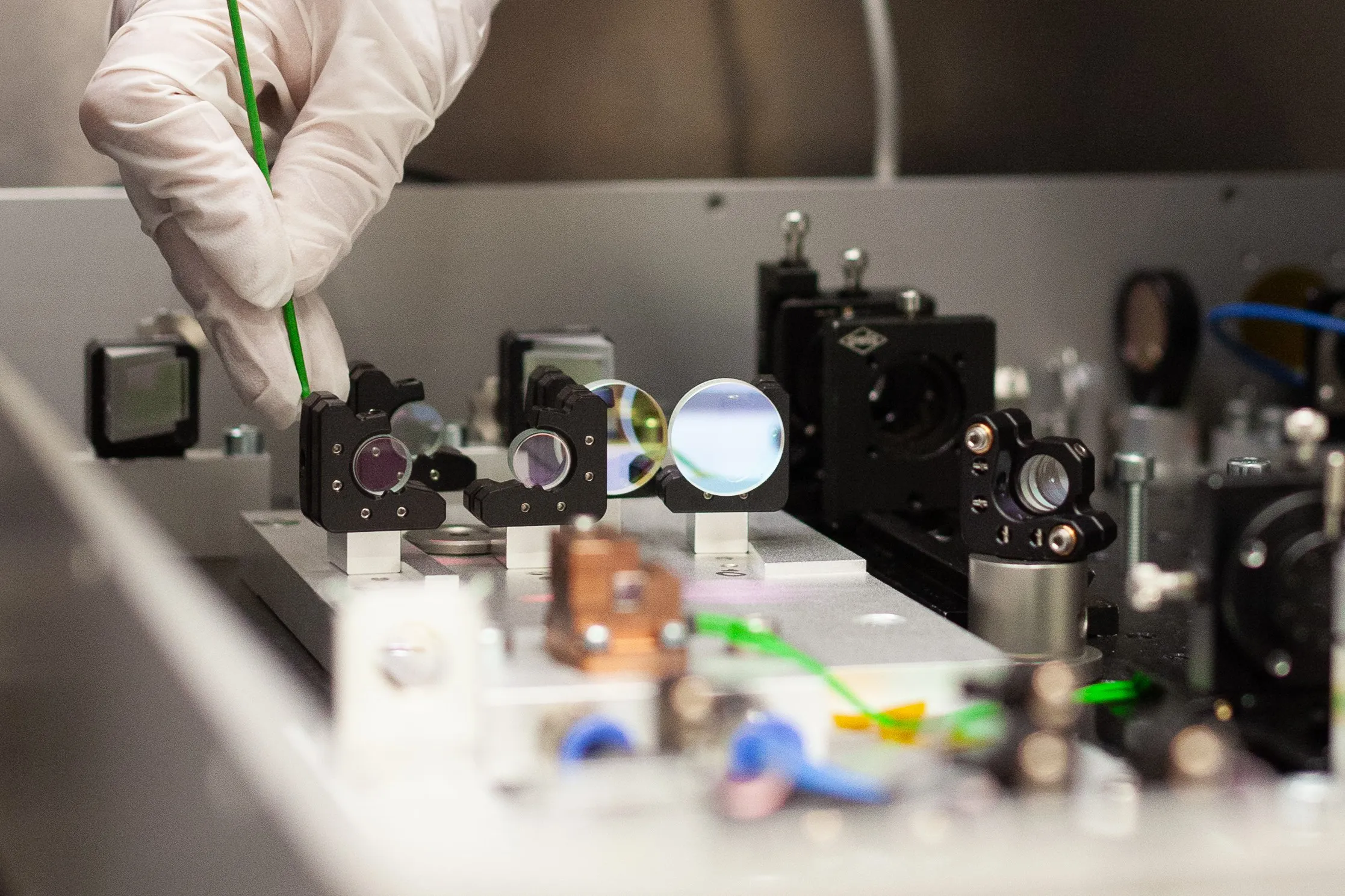
What kind of contract manufacturing partner fits the task?
For companies in these situations, the next question is usually: what kind of contract manufacturing partner helps us solve our challenges without adding unnecessary complexity?
Technical fit is one part of the answer. External production support works best when the partner understands the product, the required processes, and the application environment. In high-mix, low-volume markets, this often means combining engineering know-how with controlled production, documentation, testing, and quality management.
The right mindset is just as important. HMLV production requires a partner who is comfortable with technical variety, changing requirements, and close coordination between engineering and production. The goal is not to force every project into a standard manufacturing model, but to build a controlled process around the specific requirements of the product.
AMS Technologies as an engineering and production partner in Europe
AMS Technologies supports OEMs and technology companies with engineering and production services in Europe.
Our teams work across photonics, optomechanics, thermal management, electronics, software, laser systems, and photonic device packaging. This cross-disciplinary experience is particularly relevant for high-mix, low-volume applications, where production often requires more than one technical capability and where the interfaces between disciplines can strongly influence product performance.
Depending on the project, we support customers from early engineering and prototyping through to industrialization, testing, documentation, and production. Our role can range from defined production support to the realization of complete subsystems or assemblies.
Our European setup adds another important advantage. Production support can stay close to the customer’s engineering, quality, and supply-chain teams. This can simplify communication, shorten feedback loops, support project coordination, and reduce dependence on distant manufacturing structures.
In Hanover, our photonics team works on optical design, prototyping, assembly, calibration, testing, and laser systems. In Kraków, engineering and production are focused on thermal management solutions, electronics, software, and subcontract manufacturing for thermal, electronic, and optomechanical assemblies. In the United Kingdom, our photonics capabilities include optical design, cleanroom work, characterization, precision assembly, and advanced photonics packaging.
This setup supports customers who need specialized production, close collaboration, and reliable supply chains without moving critical know-how far away from their own organization.
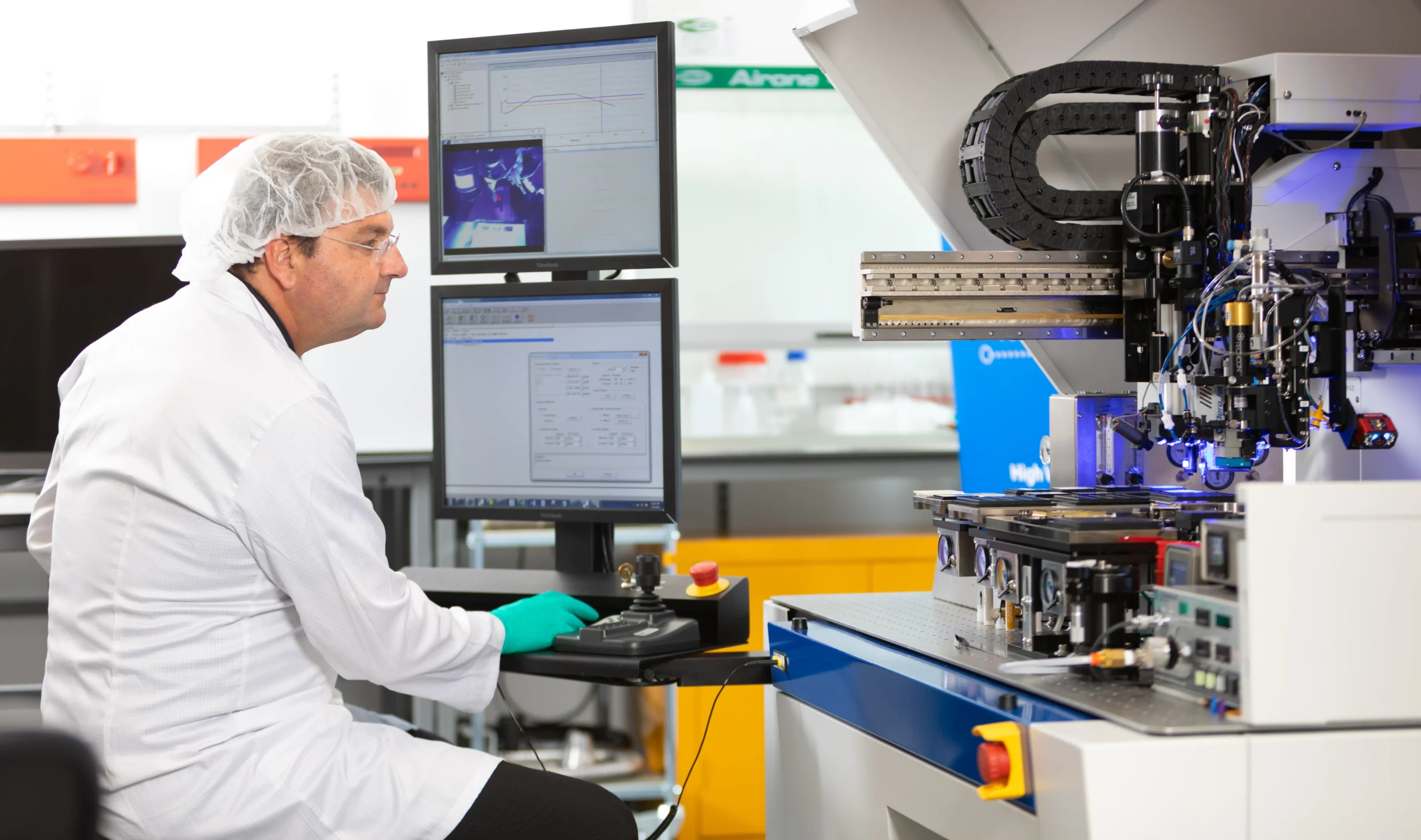
Conclusion: Finding the right production setup
For many high-tech companies, external production support is a way to protect quality, reduce risk, and keep internal teams focused on the areas where they create the most value.
A production partner can help when internal capacity is limited, when a prototype needs to become a reliable product, when specialized assemblies do not fit existing production lines, or when several technologies need to be integrated into one subsystem.
AMS Technologies helps customers make this step in a controlled way. With engineering expertise, production capabilities, quality management, and European infrastructure, we support the transition from technical requirement to reliable products.
What production challenge are you facing today? Let’s discuss how AMS Technologies can support your next step.
Read more about engineering & production services

A Jubilee and a New Chapter for AMS Poland
Read More >
Efficient Subcontracting in Europe: Expanding HMLV Capabilities
Read More >
Press Release: AMS Technologies AG Acquires Bay Photonics Ltd. to Expand Photonics Packaging Capabilities
Read More >FAQ: Engineering and Production Services
When does external production support make sense?
External production support can make sense when a product or subsystem requires production capabilities, capacity, or processes that are difficult to cover internally. This is often the case in high-mix, low-volume markets, where products require specialized know-how, controlled documentation, testing, and close coordination between engineering and production.
Is contract manufacturing mainly about reducing cost?
Cost can be one factor, but it is usually not the only reason. For high-tech products, the motivation often includes technical feasibility, time-to-market, available capacity, production quality, risk management, and the question of where internal resources create the most value.
What types of products can be suitable for external production support?
Typical examples include photonic systems, optomechanical assemblies, thermal management solutions, electronics, laser modules, and integrated subsystems. External production support is especially relevant when these products require specialized processes such as optical alignment, thermal testing, electronics integration, calibration, documentation, or quality control.
How is this different from standard contract manufacturing?
Standard contract manufacturing is often focused on producing clearly defined products at scale. In high-mix, low-volume markets, the requirements are usually more specific. Products may have several variants, changing requirements, smaller production runs, or technical interfaces between optics, thermal management, electronics, mechanics, and software.
This also requires people with the right technical skills. Specialized products often depend on experienced teams who understand precise assembly, optical alignment, thermal behavior, electronics integration, testing, documentation, and quality procedures. A suitable partner therefore needs to combine engineering know-how with controlled production processes.
Can external production support help if we already have internal production?
Yes. External production support does not necessarily replace internal production. It can extend internal capacity, cover temporary peaks, support products that do not fit the existing production setup, or free internal teams for new product generations while established products remain in production.
What if only one production capability is missing?
This is a common situation. A company may have a suitable production setup overall, but lack a specific capability such as optical alignment, cleanroom assembly, thermal testing, brazing, calibration, or dedicated test procedures. In other cases, the individual capabilities exist, but the required combination does not fit the existing production flow.
In both cases, AMS Technologies can complement the customer’s existing setup as an external production partner. This allows companies to keep their established processes in place while adding the specific capability or combination of capabilities needed for the project.
Why is high-mix, low-volume production challenging?
High-mix, low-volume production combines technical complexity with changing requirements and smaller production quantities. Even when volumes are limited, these products require precise assembly, repeatable processes, documentation, testing, experienced staff, and flexibility in the production setup.
This can make an internal setup costly or time-consuming if the capability is only needed for selected projects, changing variants, or temporary production needs.
What role does AMS Technologies play?
AMS Technologies supports OEMs and technology companies with engineering and production services in Europe. Our teams work across photonics, optomechanics, thermal management, electronics, software, laser systems, and photonic device packaging. Depending on the project, we support customers with defined production tasks, production of assemblies or subsystems, testing, documentation, and related engineering work.
Why is European production support relevant?
For many high-tech projects, close communication between engineering, production, quality, and supply-chain teams is important. A European production setup can simplify coordination, shorten feedback loops, support project control, and reduce dependence on distant manufacturing structures.
It can also help keep mission-critical projects in Europe, strengthening European resilience and technological independence in sensitive or strategically important industries.
How do we know if external production support is the right option for our project?
The first step is to look at the technical requirements, expected volumes, available internal capacity, required production processes, and timeline. If the product requires capabilities that are difficult to cover internally, or if internal teams are needed elsewhere, external production support may be a practical option.
EXPLORE MORE
NEWS & EVENTS
AMS Technologies and neoLASE join B2Run Hannover
B2Run Hanover 2026 was fun! Thank you to EPIC Photonics, the organizing team – and most of all to our runners from AMS Technologies and ...
Read More >

From Lab Concept to Serial Production: Addressing the PIC Polishing Challenge with KrellTech NOVA
Why repeatable component loading is the first hurdle Every polishing process depends on how reliably a chip is loaded and secured. Repeatability in loading directly ...
Read More >

AIMEN Laser Week
October 26–29, 2026
O Porriño, ES
AIMEN Laser Week is an international event dedicated to laser technologies and their applications in industrial manufacturing, process monitoring, and analytical systems. The conference combines ...
Read More >
