

 12. September 2024
 GH Optics – Leading in Aspheric Lenses and Optical Solutions
Get to know our partner GH Optics and their wide portfolio of aspherical lenses for visible and IR as well as optical assemblies.
For a variety of optical applications aspherical lenses are indispensable, yet their production is much more complex than that of spherical lenses. Few manufacturers can deliver them in large quantities and at affordable prices without compromising quality. GH Optics is a prominent supplier of world-class aspheric lenses and optical solutions and an AMS partner since early 2023.
Founded in 2021 by a team of optical experts with substantial experience in the optical industry, GH Optics specializes in the design, development, and series production of precision optics. Their core competences include the processing of optical glass preforms (for visible and infrared light) through polishing, grinding, and CNC machining, as well as precision molding of aspheric lenses.
Using advanced technologies, GH Optics coats components with a wide range of materials for a large spectrum of wavelengths. They also offer optical assemblies, including mounted lenses, thermal imaging assemblies and modules as well as complex optical systems. GH’s comprehensive qualifications and test capabilities guarantees high and consistent product quality.
Aspheric lenses for visible light applications
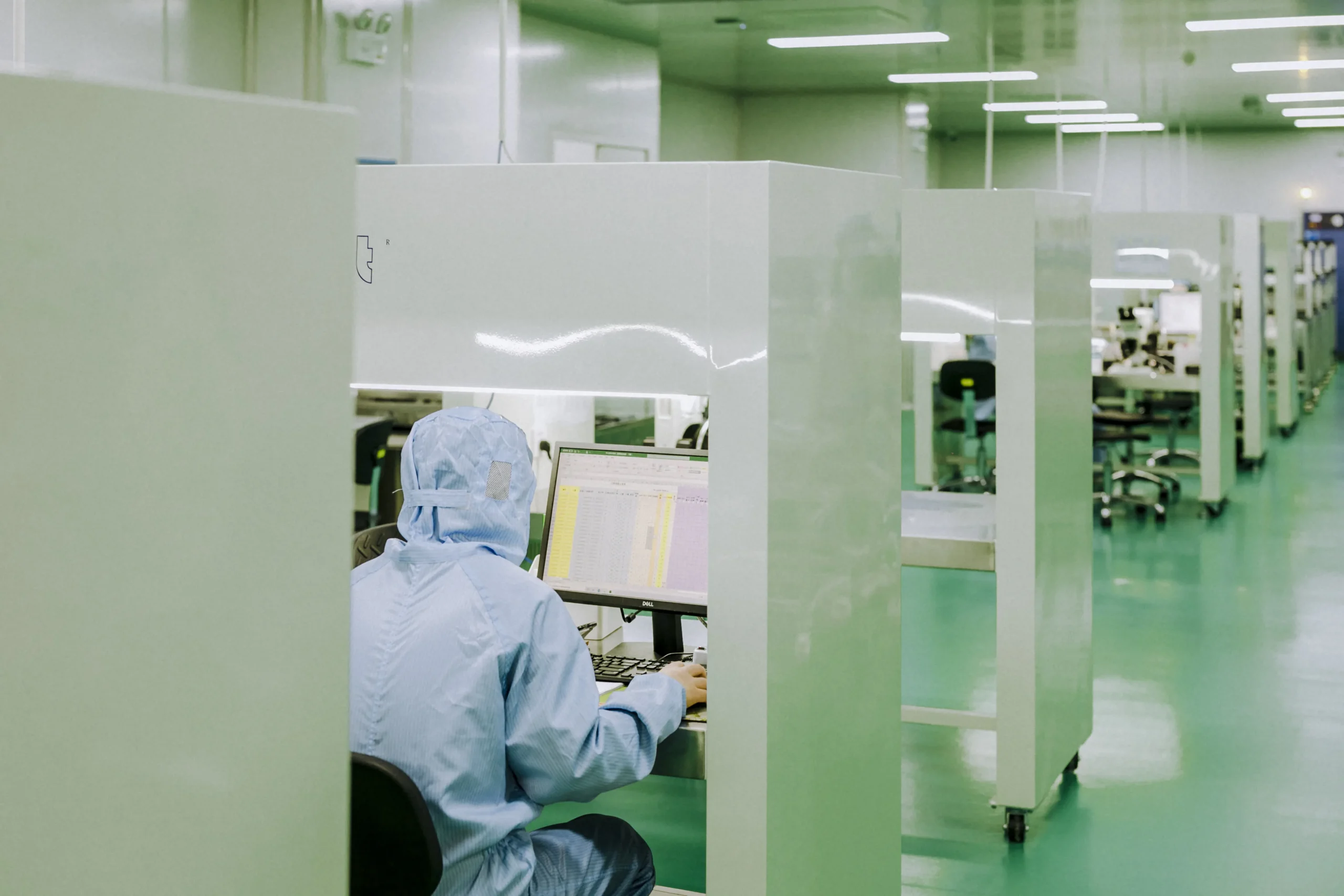
As far as aspheric lenses for visible light are concerned, there are large manufacturers that shift their focus away from them. With excellent quality and excellent value, GH Optics can meet this demand. Several glass types and coatings are available to accommodate a wide range of requirements, while all complying with RoHS regulations.

Aspheric lenses for infrared applications
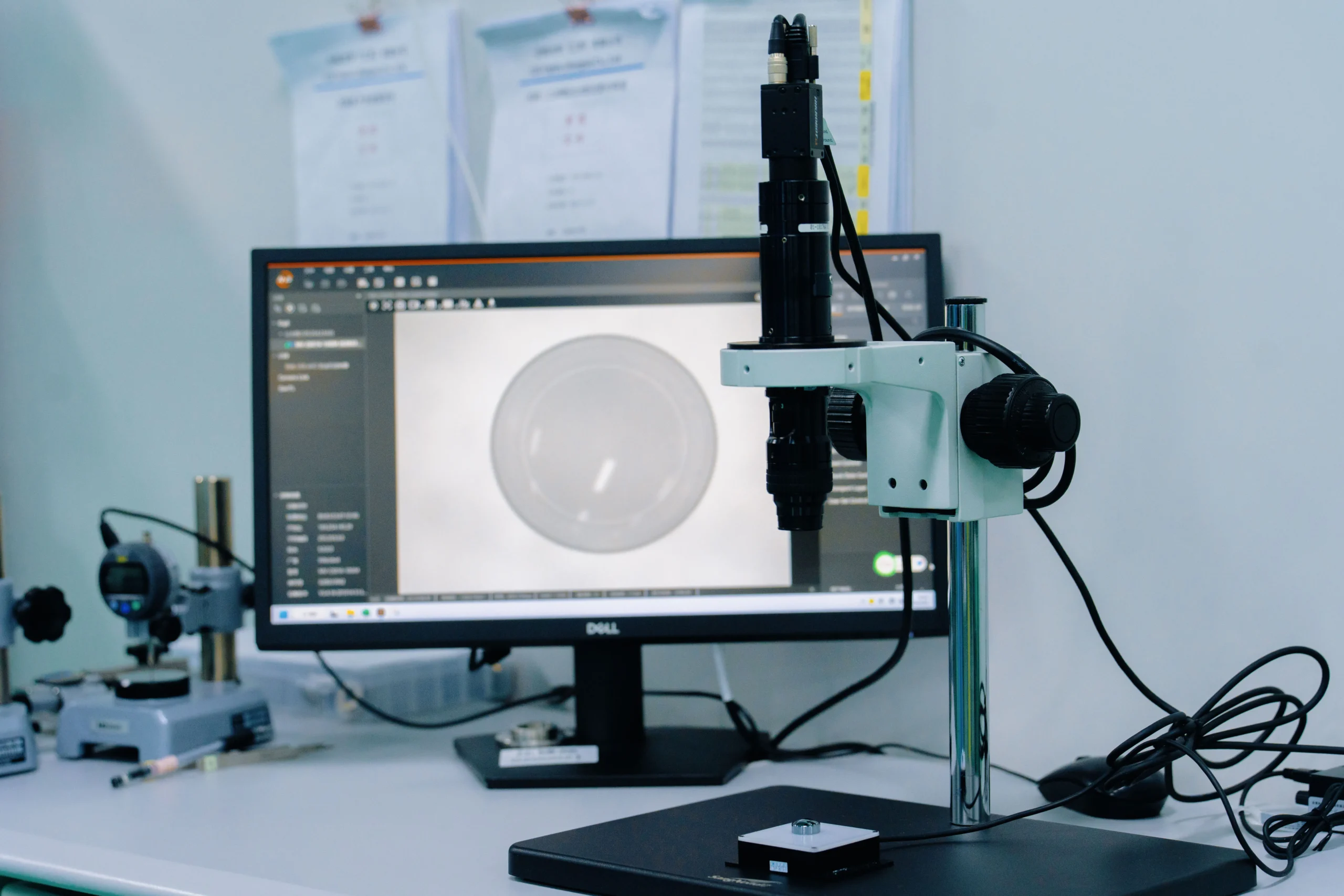
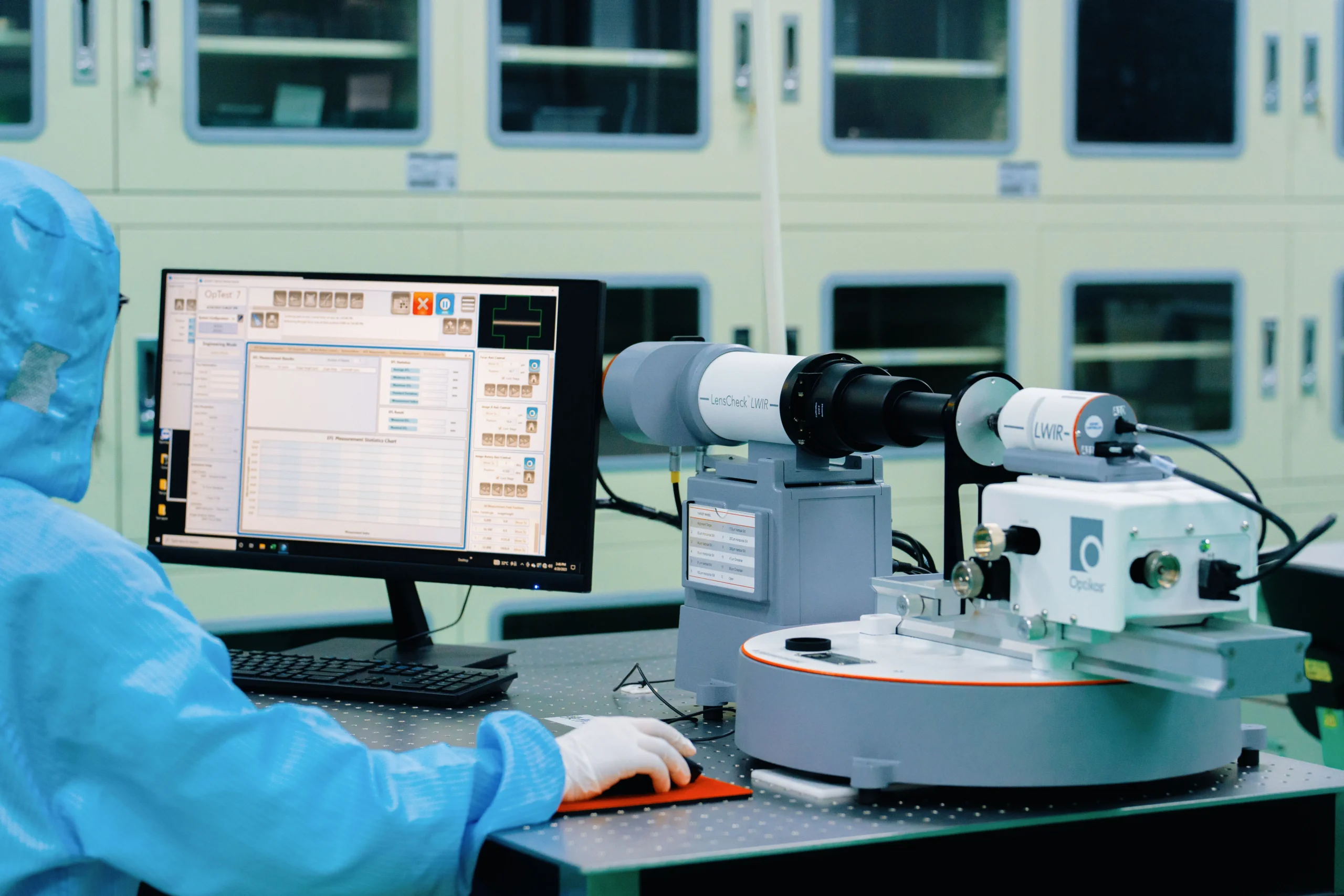
With aspheric lenses for infrared applications, GH Optics goes one step further and covers the entire production process from their own chalcogenide glass over pre-form grinding and polishing through to molding, coating, and assembling. To cover a wide range of applications, GH Optics is using several proprietary types of chalcogenide glass, which are all RoHS-compliant, as well as various options for lens coating. Just as with lenses for visible light, GH Optics has developed their own inspection devices, such as stripes detection, stress measuring, and an infrared camera.
Aspheric lenses and molding technology
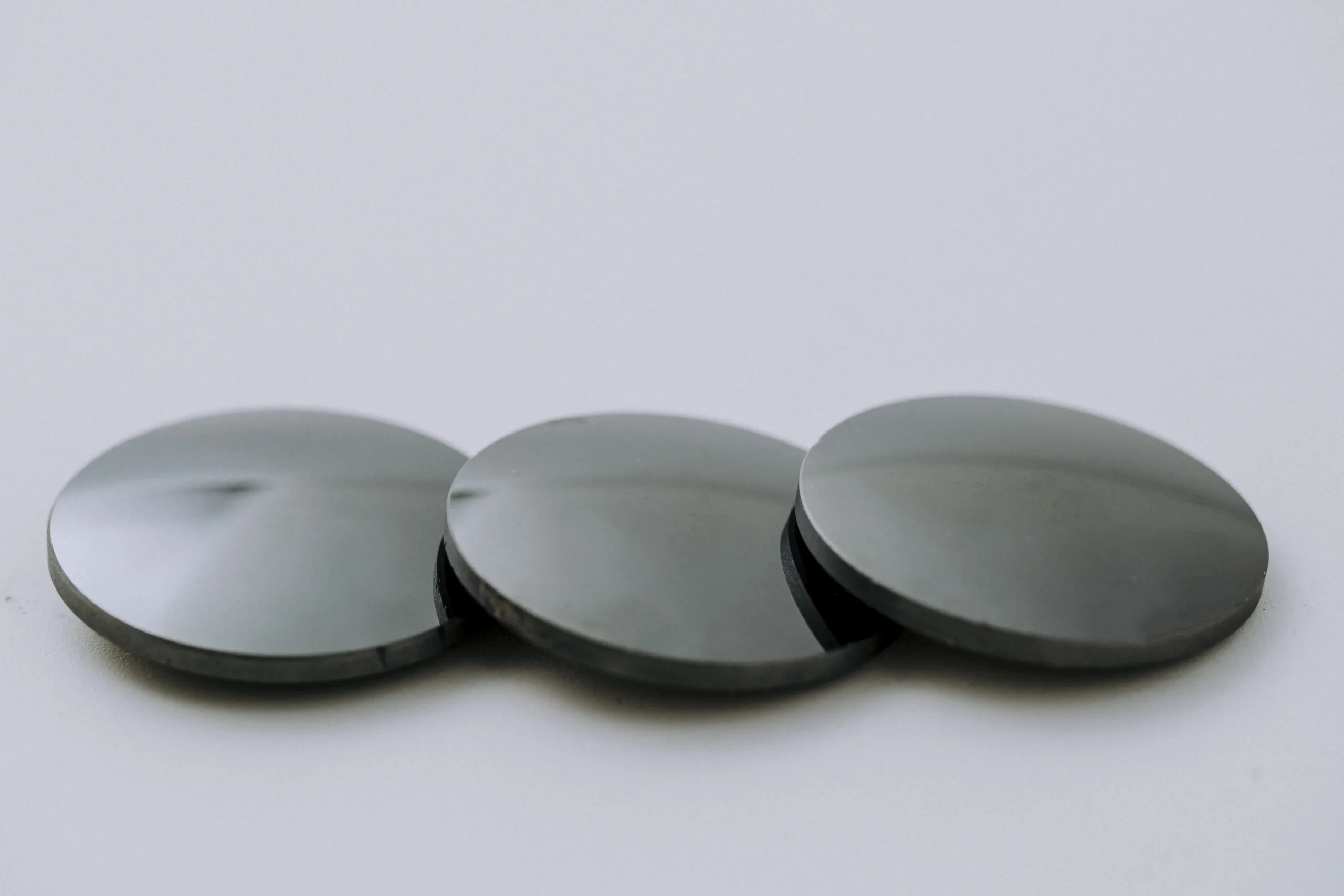
Aspheric lenses, unlike simpler, spherical lenses, can be designed to reduce or eliminate the spherical aberrations, which would otherwise require correction by multiple lenses. This leads to better results in applications such as light collimation and Assembled products
In addition to individual lenses, GH Optics manufactures a variety of assembled products – including mounted aspheric lenses, connectorized collimators, multi-function fiber collimators as well as lens assemblies for thermal imaging.
, focusing, and imaging. In some cases, a single aspheric lens can replace an entire set of spherical lenses, making the overall system simpler, smaller, and lighter.
Due to their complex shape, manufacturing aspheric lenses in high and consistent quality is more challenging than producing spherical lenses – especially with the traditional grinding and polishing methods. Molding aspheric lenses enables series production of high-quality aspheric lenses at affordable prices. This process involves heating an optical glass blank until the surface is soft enough to be pressed into an aspheric mold.
However, this manufacturing method puts very high demands on the molding process and the molds themselves. The inside of the mold needs an extremely smooth surface and a high degree of durability to withstand continuous use without degradation in quality. Furthermore, it is necessary to consider precise compensation for material shrinkage when the finished lens cools down.
As one of very few larger suppliers of molded aspheric lenses, GH Optics is using their proprietary processes and self-developed tools to produce and test their products, ensuring the highest quality standards.
Assembled products
In addition to individual lenses, GH Optics manufactures a variety of assembled products – including mounted aspheric lenses, connectorized collimators, multi-function fiber collimators as well as lens assemblies for thermal imaging.
How can we help you?
Our experts are happy to assist you in finding the right lens. If you have special requirements, we can have a custom lens designed and produced specifically for you.
Contact our team to discuss your requirements!
Read more about aspheric lenses

Aspheric Lenses for Optical Systems: Applications, Challenges, and Solutions
Read More >
Aspheric lenses: when the sphere is not enough
Read More >
I want to collimate the light of a laser diode – how do I find the right aspheric lens?
Read More >
Which aspheric lens can I use to couple the light from my laser diode into my fiber?
Read More >FAQ: GH Optics
What does GH Optics specialize in?
GH Optics specializes in the design, development, and series production of precision optics. Its capabilities include grinding, polishing, CNC machining, precision molding, coating, and the assembly of optical components and systems.
Which wavelength ranges does GH Optics cover?
GH Optics offers aspheric lenses for visible and infrared applications. Several glass types, proprietary chalcogenide materials, and coating options are available to meet different wavelength and application requirements.
Why is precision molding suitable for aspheric lens production?
Precision molding enables the series production of complex aspheric surfaces with consistent quality and at competitive costs. The process requires highly precise molds, controlled material shrinkage, and stable manufacturing conditions.
Does GH Optics supply complete optical assemblies?
Yes. In addition to individual lenses, GH Optics manufactures mounted aspheric lenses, connectorized and multi-function fiber collimators, thermal imaging assemblies and modules, and more complex optical systems.
How does GH Optics ensure consistent product quality?
GH Optics uses proprietary production processes, self-developed manufacturing and inspection equipment, and comprehensive testing capabilities. These include tools for detecting striations, measuring stress, and inspecting infrared components.
EXPLORE MORE
NEWS & EVENTS
AMS Technologies and neoLASE join B2Run Hannover
B2Run Hanover 2026 was fun! Thank you to EPIC Photonics, the organizing team – and most of all to our runners from AMS Technologies and ...
Read More >

From Lab Concept to Serial Production: Addressing the PIC Polishing Challenge with KrellTech NOVA
Why repeatable component loading is the first hurdle Every polishing process depends on how reliably a chip is loaded and secured. Repeatability in loading directly ...
Read More >

AIMEN Laser Week
October 26–29, 2026
O Porriño, ES
AIMEN Laser Week is an international event dedicated to laser technologies and their applications in industrial manufacturing, process monitoring, and analytical systems. The conference combines ...
Read More >
